Buy hochbetten.eu ?
We are moving the project
hochbetten.eu .
Are you interested in purchasing the domain
hochbetten.eu ?
domain@kv-gmbh.de · 0541-91531010
Buy hochbetten.eu ?
What happens in the small intestine?
The small intestine is where most of the digestion and absorption of nutrients from food takes place. Enzymes from the pancreas and bile from the liver help break down food into smaller molecules that can be absorbed by the intestinal lining. Villi and microvilli in the small intestine increase the surface area for absorption, allowing nutrients like carbohydrates, proteins, fats, vitamins, and minerals to be taken up into the bloodstream and transported to cells throughout the body. Any remaining undigested food then moves on to the large intestine for further processing. **
What is the small intestine in horses?
The small intestine in horses is a long, coiled tube that is a crucial part of the digestive system. It is responsible for the majority of nutrient absorption, including proteins, carbohydrates, and fats. The small intestine is where the majority of the digestive process takes place, as it is where enzymes and other digestive juices break down food into smaller molecules that can be absorbed into the bloodstream. It is a vital organ for the overall health and well-being of the horse. **


Similar search terms for Small intestine
Top-Angebote
Products related to Small intestine:
-
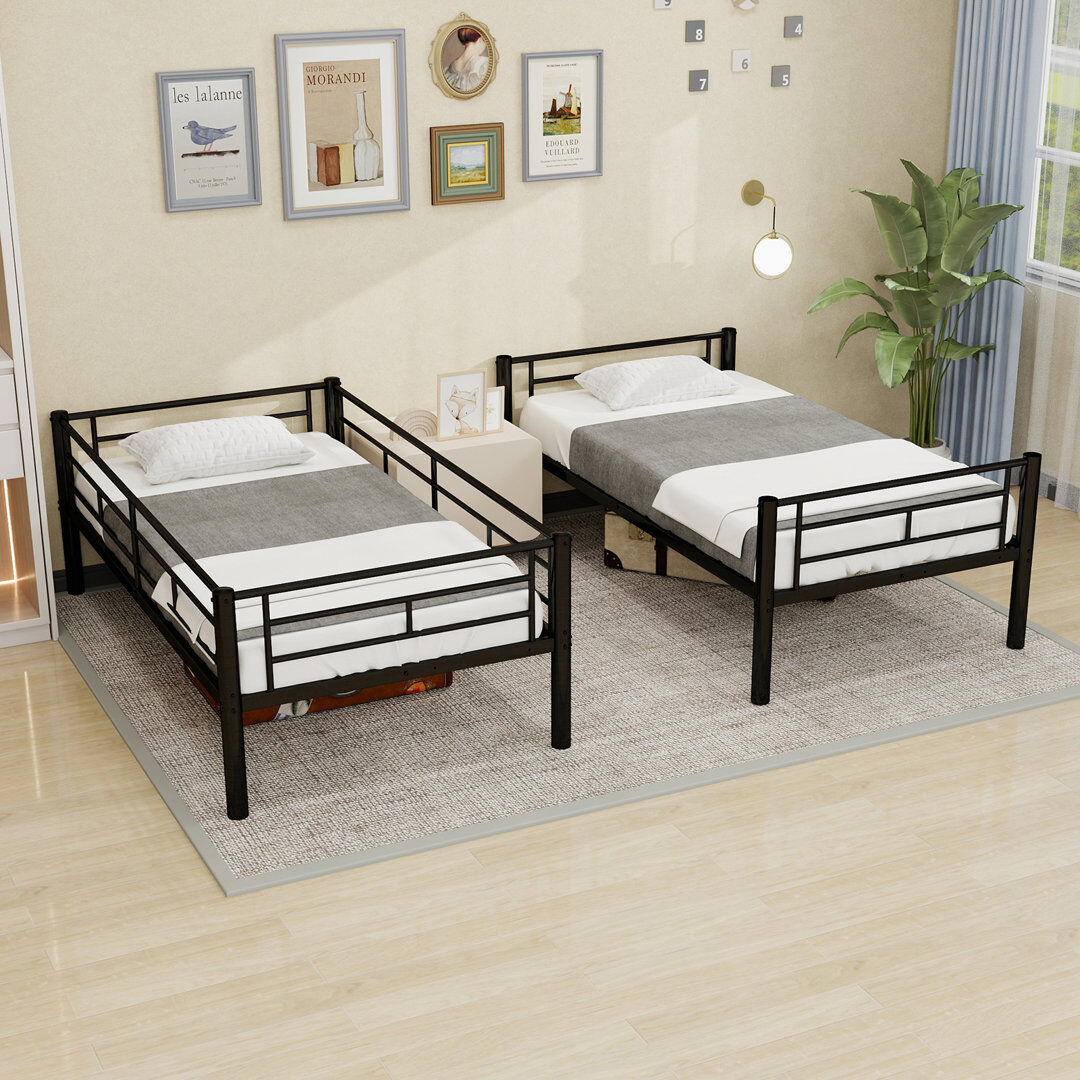
Isabelle & Max Metal Bunk Bed,Space Saving Bed Frame BlackStable load-bearing capacity, safe and secureAdopting a thickened steel pipe frame and reinforced bed support structure, the upper bunk can bear up to 200kg of weight, and the lower bunk can bear up to 250kg of weight. There are raised guardrails around to prevent falling during sleep, and the ladder is designed with anti slip pedals for safer access to and from the bed. Brand Name: Isabelle & Max.309,99 £*Shipping: 0,00 £Secure redirect to the provider
-
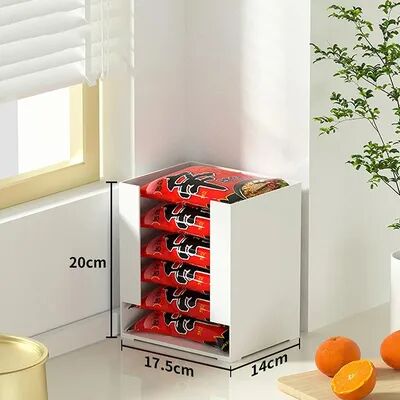
Quick Pick Pro Multi Functional Instant Noodle Storage Box And Space Saving Kitchen Organizer For Ramen Cups small SizeTired of opening your cupboards to a chaotic mountain of mismatched food packets and tumbling noodle bowls Transform your kitchen into a sanctuary of calm with our premier instant noodle storage box. Crafted specifically for those who love quick,...34,97 $*Shipping: 0,00 $Secure redirect to the provider
-
Just Kids Esma High Sleeper Solid Pine Loft Bunk Bed Beige Small Single (2'6)Experience the combination of practicality and contemporary design with this heavy-duty pine loft bunk bed. Constructed from solid pine for lasting durability, it features a heavy-duty frame and a universal ladder, catering to adult use with ease. The elevated bed design allows additional storage space, perfect for optimising any room's layout. Universal ladder can go left or right side with easy on the feet flat steps for added comfort. Heavy duty bed frame is a strong bed frame, made from solid pine wood. It is built to last. Only solid timber is used, sourced from sustained forests.. Slats/Platform Base Included: Yes. General Product Safety Directive Compliant: Yes. Brand Name: Just Kids. Size: Small Single (2'6)269,95 £*Shipping: 0,00 £Secure redirect to the provider


-
Where does the name small intestine come from?
The name "small intestine" comes from its relatively smaller diameter compared to the large intestine. The small intestine is actually longer than the large intestine, but it was named based on its narrower diameter. It is the part of the digestive system where most of the digestion and absorption of nutrients takes place. **
-
What happens during absorption in the small intestine?
During absorption in the small intestine, the nutrients from the digested food are absorbed into the bloodstream. The inner surface of the small intestine is lined with millions of tiny, finger-like projections called villi, which increase the surface area for absorption. Nutrients such as carbohydrates, proteins, fats, vitamins, and minerals are absorbed through the walls of the small intestine and then transported to the rest of the body through the bloodstream. This process is essential for providing the body with the necessary nutrients for energy, growth, and overall functioning. **
-
How long is the small intestine of an adult?
The small intestine of an adult is typically around 20 feet long. It is divided into three sections: the duodenum, the jejunum, and the ileum. The small intestine is where most of the digestion and absorption of nutrients from food takes place. Its long length allows for a large surface area for nutrient absorption to occur. **
-
Why doesn't pepsin attack the proteins in the small intestine?
Pepsin is an enzyme that is specifically designed to function in the acidic environment of the stomach. Once the partially digested food leaves the stomach and enters the small intestine, the pH becomes more neutral, which is not an optimal environment for pepsin to function effectively. Additionally, the small intestine contains other enzymes like trypsin and chymotrypsin that are responsible for further breaking down proteins into smaller peptides and amino acids. **


Can pepsin also act as an enzyme in the small intestine?
No, pepsin cannot act as an enzyme in the small intestine. Pepsin is an enzyme that is produced in the stomach and is responsible for breaking down proteins into smaller peptides. Once the food moves from the stomach to the small intestine, the acidic environment of the stomach is neutralized, and pepsin becomes inactive. In the small intestine, other enzymes such as trypsin, chymotrypsin, and peptidases take over the role of breaking down proteins into amino acids for absorption. **
In which intestine is liverwurst made, in the gold intestine or in the natural intestine?
Liverwurst is typically made in the natural intestine. The natural intestine, also known as the casing, is the traditional method for shaping and cooking liverwurst. It is made from the cleaned and processed intestines of animals, such as pigs or sheep, and is used to encase the liverwurst mixture before it is cooked. The gold intestine, on the other hand, is a synthetic casing that is sometimes used in modern food production processes. **
Top-Angebote
Products related to Small intestine:
-
Tongil Nutriorgans Intestine 250 grNutrition and Supplements Special supplements Tongil Nutriorgans Intestine 250 gr How to use: Take 1 or 2 tablespoons dissolved in half a glass of water, between lunch and dinner, or at the end of them. Presentation: 256.25gr jar This product is beneficial for human health.12,18 £*Shipping: 3,99 £Secure redirect to the provider
-
Soria Natural Regeneration of the intestineNutrition and Supplements Prebiotics and probiotics Soria Natural Regeneration of the intestine Food supplement. Vitamin B6 contributes to the normal function of the immune system. Ferments protected against stomach pH by double microencapsulation (S. thermophilus, L. acidophilus, L. rhamnosus, L. casei, L. paracasei, L. plantarum, B. infantis, B. bifidum, B. longum in a minimum quantity of 75x108 CFU/sachet). Keep in a cool, dry place. Box with 14 sachets of 10 g18,62 £*Shipping: 3,99 £Secure redirect to the provider
-
Isabelle & Max Metal Bunk Bed,Space Saving Bed Frame BlackStable load-bearing capacity, safe and secureAdopting a thickened steel pipe frame and reinforced bed support structure, the upper bunk can bear up to 200kg of weight, and the lower bunk can bear up to 250kg of weight. There are raised guardrails around to prevent falling during sleep, and the ladder is designed with anti slip pedals for safer access to and from the bed. Brand Name: Isabelle & Max.309,99 £*Shipping: 0,00 £Secure redirect to the provider
-
What happens in the small intestine?
The small intestine is where most of the digestion and absorption of nutrients from food takes place. Enzymes from the pancreas and bile from the liver help break down food into smaller molecules that can be absorbed by the intestinal lining. Villi and microvilli in the small intestine increase the surface area for absorption, allowing nutrients like carbohydrates, proteins, fats, vitamins, and minerals to be taken up into the bloodstream and transported to cells throughout the body. Any remaining undigested food then moves on to the large intestine for further processing. **
-
What is the small intestine in horses?
The small intestine in horses is a long, coiled tube that is a crucial part of the digestive system. It is responsible for the majority of nutrient absorption, including proteins, carbohydrates, and fats. The small intestine is where the majority of the digestive process takes place, as it is where enzymes and other digestive juices break down food into smaller molecules that can be absorbed into the bloodstream. It is a vital organ for the overall health and well-being of the horse. **
-
Where does the name small intestine come from?
The name "small intestine" comes from its relatively smaller diameter compared to the large intestine. The small intestine is actually longer than the large intestine, but it was named based on its narrower diameter. It is the part of the digestive system where most of the digestion and absorption of nutrients takes place. **
-
What happens during absorption in the small intestine?
During absorption in the small intestine, the nutrients from the digested food are absorbed into the bloodstream. The inner surface of the small intestine is lined with millions of tiny, finger-like projections called villi, which increase the surface area for absorption. Nutrients such as carbohydrates, proteins, fats, vitamins, and minerals are absorbed through the walls of the small intestine and then transported to the rest of the body through the bloodstream. This process is essential for providing the body with the necessary nutrients for energy, growth, and overall functioning. **
Similar search terms for Small intestine
-
Quick Pick Pro Multi Functional Instant Noodle Storage Box And Space Saving Kitchen Organizer For Ramen Cups small SizeTired of opening your cupboards to a chaotic mountain of mismatched food packets and tumbling noodle bowls Transform your kitchen into a sanctuary of calm with our premier instant noodle storage box. Crafted specifically for those who love quick,...34,97 $*Shipping: 0,00 $Secure redirect to the provider
-
Just Kids Esma High Sleeper Solid Pine Loft Bunk Bed Beige Small Single (2'6)Experience the combination of practicality and contemporary design with this heavy-duty pine loft bunk bed. Constructed from solid pine for lasting durability, it features a heavy-duty frame and a universal ladder, catering to adult use with ease. The elevated bed design allows additional storage space, perfect for optimising any room's layout. Universal ladder can go left or right side with easy on the feet flat steps for added comfort. Heavy duty bed frame is a strong bed frame, made from solid pine wood. It is built to last. Only solid timber is used, sourced from sustained forests.. Slats/Platform Base Included: Yes. General Product Safety Directive Compliant: Yes. Brand Name: Just Kids. Size: Small Single (2'6)269,95 £*Shipping: 0,00 £Secure redirect to the provider
-
Just Kids Esma High Sleeper Solid Pine Loft Bunk Bed Beige Small Double (4')Experience the combination of practicality and contemporary design with this heavy-duty pine loft bunk bed. Constructed from solid pine for lasting durability, it features a heavy-duty frame and a universal ladder, catering to adult use with ease. The elevated bed design allows additional storage space, perfect for optimising any room's layout. Universal ladder can go left or right side with easy on the feet flat steps for added comfort. Heavy duty bed frame is a strong bed frame, made from solid pine wood. It is built to last. Only solid timber is used, sourced from sustained forests.. Slats/Platform Base Included: Yes. General Product Safety Directive Compliant: Yes. Brand Name: Just Kids. Size: Small Double (4')319,99 £*Shipping: 0,00 £Secure redirect to the provider
-
Just Kids Rowena Mid Sleeper Loft Bunk Bed Clear Small Single HEAVY DUTY(2'6)Sturdy and stylish Mid Sleeper bunk bed, crafted with the finest solid pine. Designed to support the adventures of both young and old, this bunk bed offers a robust frame that welcomes adults and children alike Country of Harvest: Sweden. Ladder Orientation: Left; Right. EN 747-1 (Standards for Children's Bunk Beds): Yes. General Product Safety Directive Compliant: Yes. EU/UK Timber Compliant: Yes. BS 8509 - British Safety Standard for Children's Beds: Yes. General Product Safety Regulation: Yes. Manufacturer Warranty: Yes. Brand Name: Just Kids. Size: Small Single HEAVY DUTY(2'6)259,95 £*Shipping: 0,00 £Secure redirect to the provider
-
How long is the small intestine of an adult?
The small intestine of an adult is typically around 20 feet long. It is divided into three sections: the duodenum, the jejunum, and the ileum. The small intestine is where most of the digestion and absorption of nutrients from food takes place. Its long length allows for a large surface area for nutrient absorption to occur. **
-
Why doesn't pepsin attack the proteins in the small intestine?
Pepsin is an enzyme that is specifically designed to function in the acidic environment of the stomach. Once the partially digested food leaves the stomach and enters the small intestine, the pH becomes more neutral, which is not an optimal environment for pepsin to function effectively. Additionally, the small intestine contains other enzymes like trypsin and chymotrypsin that are responsible for further breaking down proteins into smaller peptides and amino acids. **
-
Can pepsin also act as an enzyme in the small intestine?
No, pepsin cannot act as an enzyme in the small intestine. Pepsin is an enzyme that is produced in the stomach and is responsible for breaking down proteins into smaller peptides. Once the food moves from the stomach to the small intestine, the acidic environment of the stomach is neutralized, and pepsin becomes inactive. In the small intestine, other enzymes such as trypsin, chymotrypsin, and peptidases take over the role of breaking down proteins into amino acids for absorption. **
-
In which intestine is liverwurst made, in the gold intestine or in the natural intestine?
Liverwurst is typically made in the natural intestine. The natural intestine, also known as the casing, is the traditional method for shaping and cooking liverwurst. It is made from the cleaned and processed intestines of animals, such as pigs or sheep, and is used to encase the liverwurst mixture before it is cooked. The gold intestine, on the other hand, is a synthetic casing that is sometimes used in modern food production processes. **
* All prices are inclusive of VAT and, if applicable, plus shipping costs. The offer information is based on the details provided by the respective shop and is updated through automated processes. Real-time updates do not occur, so deviations can occur in individual cases. ** Note: Parts of this content were created by AI.